
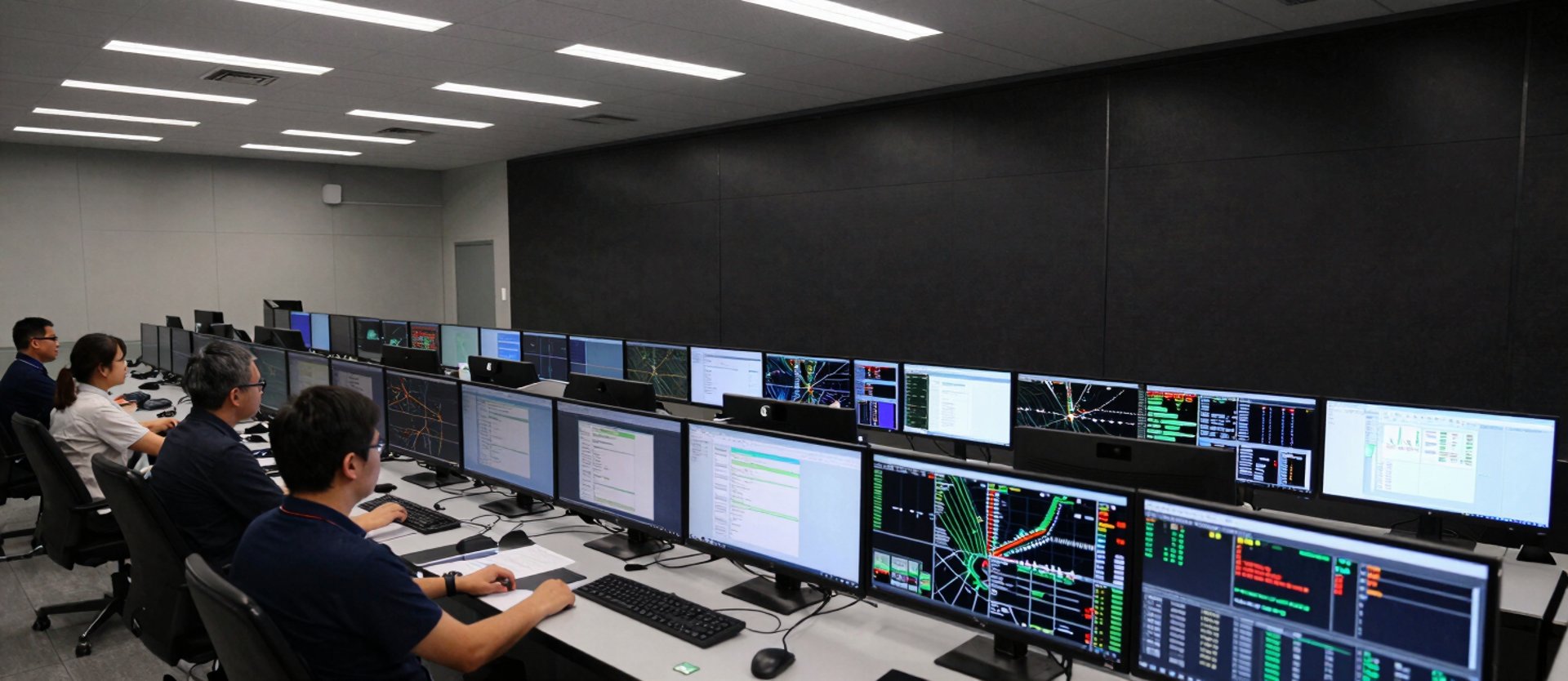
Your sector's adversaries. Modelled before they move.
Government, banking, and telecommunications each carry distinct threat actors, attack surfaces, and compliance burdens. Spica Consultants from that operational reality—not from a generic framework.


Where Spica's work begins
Nation-state vectors at critical-infrastructure scale
Lateral movement across interconnected financial infrastructure
Protocol and switching layer—before the perimeter
Generic frameworks were not designed for classified environments. Spica maps insider-threat pathways and nation-state intrusion chains against the actual architecture—not a notional baseline.
A breach is never contained to one institution. Spica models contagion pathways across correspondent networks and shared clearing infrastructure before an incident makes them visible.
Adversaries target the backbone first. Spica's analysis starts at the protocol and routing layer—where visibility is lowest and dwell time is longest—not at the edge firewall.
Each sector carries a distinct adversary profile—different motivations, different dwell-time tolerances, different lateral-movement patterns. Spica's threat intelligence is built sector-first: regulatory exposure and attack chain analysis run in parallel, so the architecture that defends your environment is also the one that satisfies your compliance mandate.
Architected from the attack surface outward
Mid-market organisations in these sectors carry the same threat actors as their enterprise counterparts but with fewer dedicated analysts. Spica closes that gap without requiring clients to rebuild their internal capability from scratch.
Brief us on your sector's exposure
Senior decision-makers bring the operational context; Spica brings the threat model. One conversation to determine whether there is a gap worth closing.